
Mitochondria in the Brain: Made Easy Simplified Function with Life Examples
Mitochondria are tiny organelles inside cells that are involved in releasing energy from food.
This process is known as cellular respiration.
It is for this reason that mitochondria are often referred to as the powerhouses of the cell.
Unlike nuclear DNA, which is inherited from both parents, mitochondrial DNA is usually inherited only from our mothers. Both egg and sperm cells contain mitochondria with mitochondrial DNA, but after fertilization, the mitochondria from the sperm are almost always destroyed.
Mitochondria Location: Strictly Intracellular
Mitochondria exist exclusively intracellularly – they are found only inside cells, never outside them under normal physiological conditions.
Normal Location
Inside the Cell (Intracellular):
- Mitochondria are membrane-bound organelles that reside in the cytoplasm
- They cannot survive outside the protective cellular environment
- Each cell contains hundreds to thousands of mitochondria depending on its energy needs
- They are surrounded by the cell’s cytoplasm and protected by the cell membrane
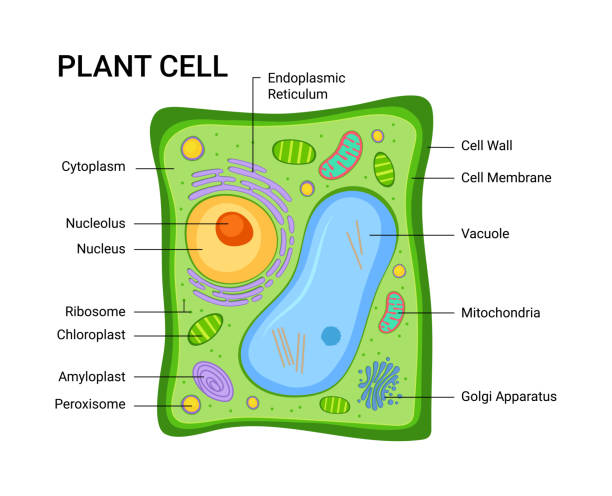
Why Mitochondria Cannot Survive Extracellularly
1. Membrane Vulnerability
- Mitochondria have delicate double membranes that would rupture in the harsh extracellular environment
- Like a delicate electronic component that needs to be housed inside a protective casing
2. Environmental Requirements
- They need the specific ionic conditions and pH maintained inside cells
- The extracellular environment lacks the necessary cofactors and substrates they need to function
3. Structural Dependency
- Mitochondria rely on the cell’s internal transport systems and molecular machinery
- They’re integrated into the cell’s metabolic networks and cannot function independently
Special Circumstances: Mitochondria Outside Cells
However, there are some important exceptions where mitochondrial components can be found outside cells:
1. Cell Death and Damage
- When cells die or are severely damaged, mitochondria can be released into the extracellular space
- These released mitochondria are non-functional and serve as damage signals
- This is like debris from a destroyed building scattered outside
2. Circulating Mitochondrial DNA (mtDNA)
- Small amounts of mitochondrial DNA can be found in blood plasma
- This circulating mtDNA is used as a biomarker of cellular damage or stress
- It’s not functional mitochondria, just genetic material fragments
3. Therapeutic Applications
- In experimental medicine, researchers are exploring mitochondrial transplantation
- Healthy mitochondria can be isolated and potentially transferred between cells
- This is still largely experimental and requires special laboratory conditions
Clinical Relevance
Biomarker Applications:
- Circulating mtDNA levels are measured as indicators of:
- Tissue damage
- Inflammatory responses
- Disease progression
- Treatment effectiveness
Diagnostic Significance:
- Finding mitochondrial components in blood or other body fluids usually indicates cellular damage or death
- This is used in research and clinical settings to assess various conditions
Simple Analogy
Think of mitochondria like the engine of a car:
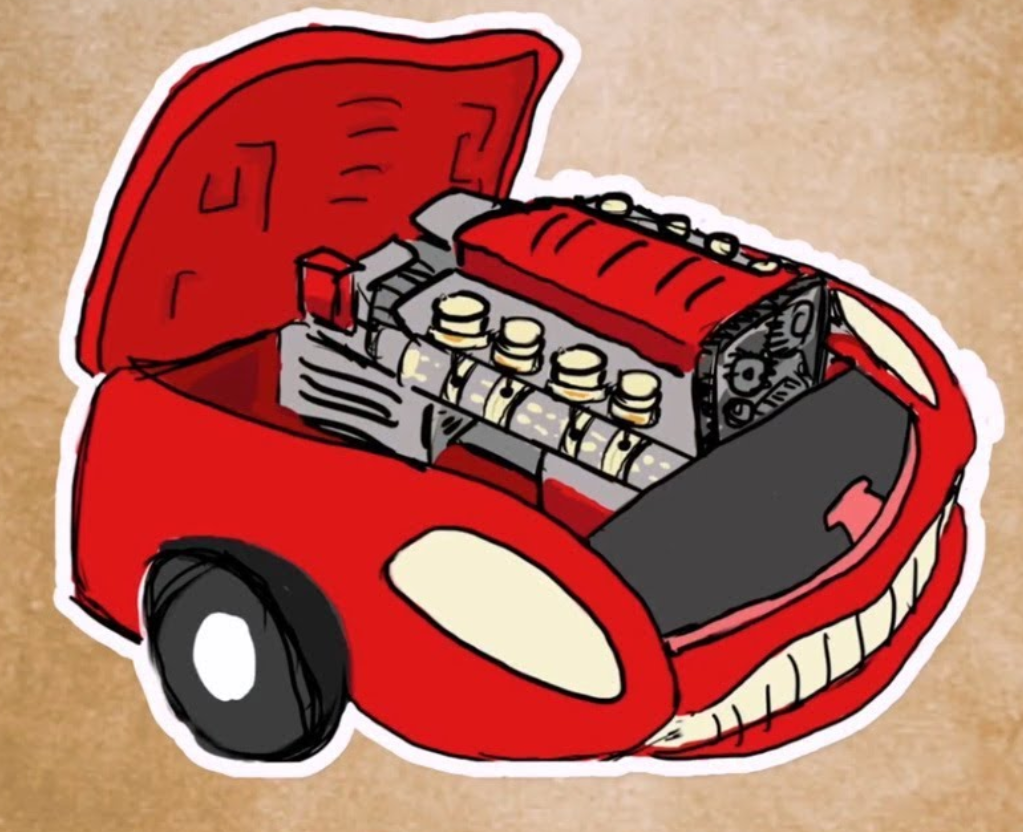
- Normal situation: The engine stays inside the car (intracellular) where it belongs and functions properly
- Abnormal situation: If the car crashes, engine parts might be scattered outside (extracellular), but they’re no longer functional engines – just debris indicating damage occurred
Conclusion
Mitochondria are strictly intracellular organelles under normal physiological conditions. Any presence of mitochondrial material outside cells typically indicates cellular damage, death, or artificial laboratory manipulation. They cannot survive or function in the extracellular environment due to their structural requirements and environmental dependencies.
This intracellular location is crucial for their function and explains why mitochondrial dysfunction affects the entire cell and, consequently, organ function – particularly important in energy-demanding organs like the brain.
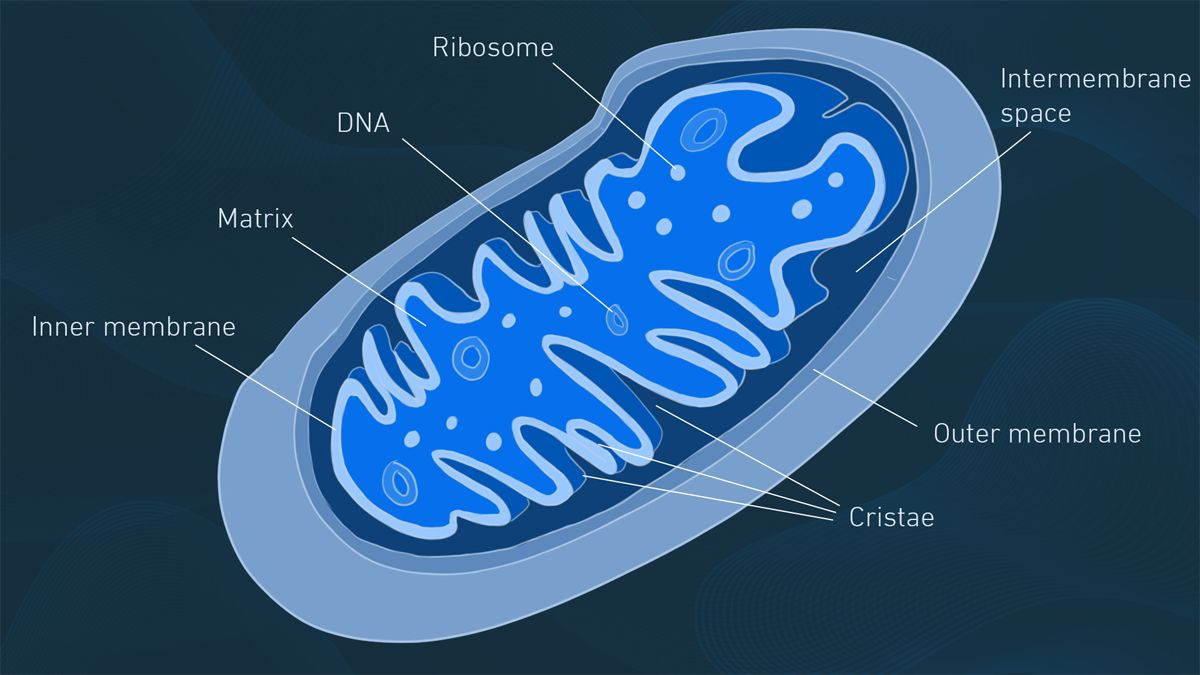
Mitochondria produce energy through a process called oxidative phosphorylation, which occurs in the inner mitochondrial membrane. During this process, electrons from nutrients are transferred through the electron transport chain, creating a proton gradient across the membrane. This gradient drives the production of ATP (adenosine triphosphate) by ATP synthase, an enzyme that converts ADP (adenosine diphosphate) and inorganic phosphate into ATP. Oxygen is the final electron acceptor, forming water and ensuring the continuous flow of electrons. This efficient energy production mechanism powers various cellular functions.
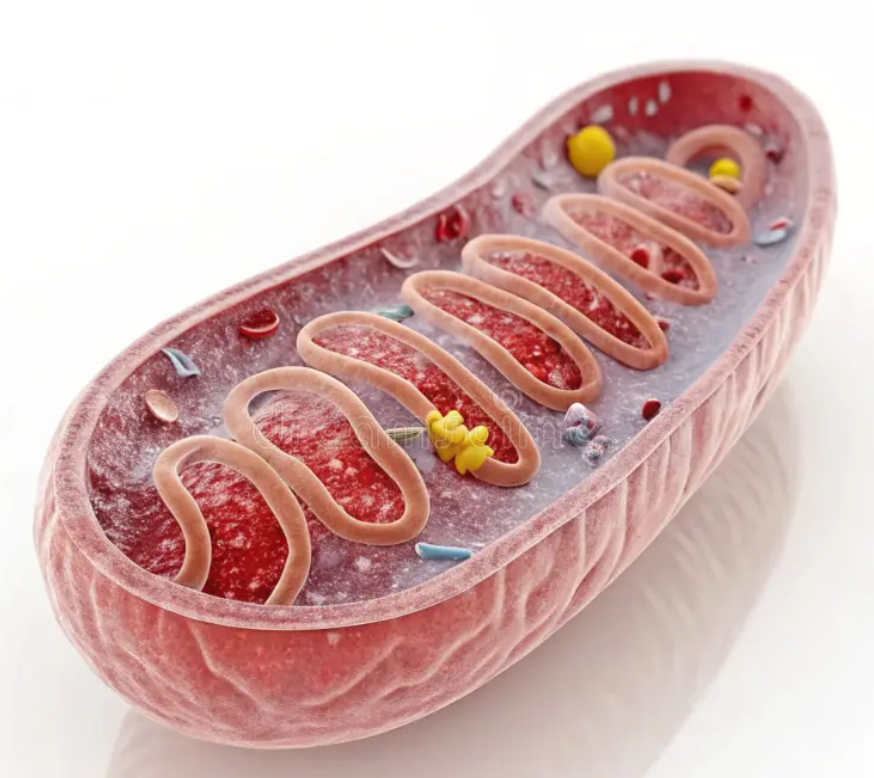
What Are Mitochondria?
Think of mitochondria as tiny power plants inside every brain cell. Just like a city needs multiple power plants to keep all the lights, buildings, and systems running, your brain cells need hundreds of mitochondria to keep functioning properly.
Mitochondria are tiny organelles inside cells that are involved in releasing energy from food.
This process is known as cellular respiration.
It is for this reason that mitochondria are often referred to as the powerhouses of the cell.
Unlike nuclear DNA, which is inherited from both parents, mitochondrial DNA is usually inherited only from our mothers. Both egg and sperm cells contain mitochondria with mitochondrial DNA, but after fertilization, the mitochondria from the sperm are almost always destroyed.
The Brain’s Enormous Energy Needs
Your brain is like a luxury sports car that:
- Represents only 2% of your body weight (like a small car)
- But consumes 20% of your total energy (like a gas-guzzling Ferrari)
- Never turns off – it runs 24/7, even when you sleep
How Mitochondria Work in Brain Cells

1. The Power Generation Process
- Fuel arrives: Just like trucks deliver coal to a power plant, blood vessels deliver glucose and oxygen to brain cells
- Burning process: Mitochondria “burn” glucose with oxygen (like coal burning in a furnace)
- Energy production: This creates ATP (adenosine triphosphate) – the brain’s “electricity”
- Waste removal: Carbon dioxide and water are produced as waste (like smoke from a chimney)
Life Example: A Coal Power Plant
2. Strategic Positioning
Life Example: Gas Stations on a Highway Mitochondria are positioned exactly where energy is needed most:
- At synapses (where neurons communicate) – like having gas stations at busy highway intersections
- In axons (the neuron’s “highways”) – like rest stops along long routes
- Near the cell nucleus – like having backup generators near a control center
Key Functions Simplified
1. Powering Thoughts and Memories
Life Example: Running a Computer
- Every thought is like running a program on your computer
- Mitochondria provide the “electricity” to keep your brain’s “processor” running
- Without enough power, your computer (brain) slows down or crashes
2. Neurotransmitter Production
Life Example: A Pharmacy
- Mitochondria help make brain chemicals (neurotransmitters) like dopamine and serotonin
- It’s like a pharmacy that needs electricity to run its machines and produce medications
- No power = no medications = mood and thinking problems
3. Calcium Management
Life Example: A Bank’s Security System
- Mitochondria control calcium levels like a bank controls cash flow
- Too much calcium = cell damage (like too much cash lying around unsecured)
- Too little calcium = poor communication between neurons (like no cash for transactions)
4. Cleaning and Maintenance
Life Example: A City’s Waste Management
- Mitochondria help remove cellular “garbage” and damaged proteins
- Like garbage trucks that need fuel to operate and keep the city clean
- When mitochondria fail, toxic waste builds up in brain cells
What Happens When Mitochondria Malfunction?
The Blackout Scenario
Life Example: City-Wide Power Outage When mitochondria don’t work properly, it’s like a city experiencing rolling blackouts:
- Immediate effects: Traffic lights fail (poor concentration), elevators stop (memory problems)
- Communication breakdown: Phone networks fail (neurotransmitter imbalances)
- Emergency services affected: Hospitals struggle (brain can’t repair itself)
- Long-term damage: Businesses close, people leave (brain cells die)
Specific Brain Problems
- Depression: Like a city where only 60% of the power grid works – everything runs slowly and inefficiently
- Bipolar Disorder: Like power surges followed by brownouts – periods of too much energy followed by too little
- Schizophrenia: Like a power grid with faulty wiring – signals get crossed and communication breaks down
- Autism: Like a power system that developed differently – some areas get too much power, others too little
Real-Life Analogy: Your Smartphone
Your brain with healthy mitochondria is like a new smartphone:
- Battery lasts all day (sustained mental energy)
- Apps run smoothly (clear thinking)
- Good connectivity (proper neurotransmitter function)
- Quick processing (fast reaction times)
Your brain with damaged mitochondria is like an old smartphone with a failing battery:
- Dies quickly and needs frequent charging (mental fatigue)
- Apps crash frequently (concentration problems)
- Poor connectivity (mood disorders)
- Slow processing (cognitive difficulties)
Why This Matters
Understanding mitochondria helps explain why:
- Exercise helps depression (builds more mitochondria, like adding more power plants)
- Stress worsens mental health (damages mitochondria, like overloading the power grid)
- Good nutrition matters (provides fuel and parts for mitochondrial repair)
- Sleep is crucial (allows mitochondrial maintenance, like scheduled power plant maintenance)
The Bottom Line
Mitochondria are your brain’s essential power source. When they work well, you think clearly, feel good, and handle stress effectively. When they malfunction, various psychiatric and neurological problems can develop. Taking care of your mitochondria through healthy lifestyle choices is like maintaining your city’s power grid – essential for everything else to function properly.