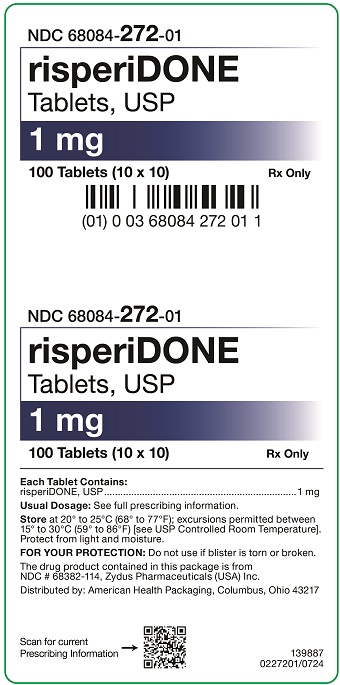
The Story of Risperidone: From Laboratory to Revolution
A Molecule That Changed Psychiatry Forever
Prologue: The World Before Risperidone
To understand the magnitude of risperidone’s discovery, we must first appreciate the darkness that preceded it.
The year is 1950. A French surgeon named Henri Laborit is experimenting with antihistamines to reduce surgical shock in his patients. He notices something extraordinary about one compound — chlorpromazine — it makes his patients profoundly indifferent to their surroundings without putting them to sleep. He writes excitedly to his psychiatric colleagues: “This could change psychiatry forever.”
He was right. Chlorpromazine — the world’s first antipsychotic — was introduced to psychiatry in 1952, and within years, the great mental institutions of Europe and America began emptying. Patients who had been locked away for decades, screaming at invisible tormentors, became calm enough to return home.
But the miracle had a dark shadow.
The price of chlorpromazine and its first-generation descendants was devastating:
- Severe tremors and muscle rigidity (Parkinsonism)
- Tardive dyskinesia — involuntary, disfiguring movements that were often permanent
- Akathisia — an inner restlessness so unbearable that patients described it as worse than psychosis itself
- Complete emotional blunting — patients were calm but hollowed out
- Total neglect of negative symptoms (social withdrawal, emotional flatness, cognitive poverty)
- Cognitive impairment so severe that patients struggled to think, read, or work
Many patients made a devastating calculus: the side effects of the medication felt worse than the disease itself. They stopped taking their pills. They relapsed. They were hospitalized again. The revolving door of psychiatry was born.
The first-generation antipsychotics had solved one problem and created another.
Someone, somewhere, needed to find a better way.
Act One: The Belgian Laboratory and a Visionary Pharmacologist
Janssen Pharmaceutica, Beerse, Belgium — 1980s
In the rolling green countryside of northern Belgium, in a small town called Beerse, stood one of the world’s most productive pharmaceutical laboratories — Janssen Pharmaceutica, founded by the legendary Dr. Paul Janssen, a man who would eventually hold more pharmaceutical patents than any individual in history.
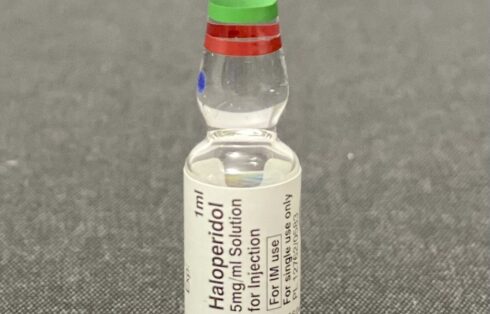
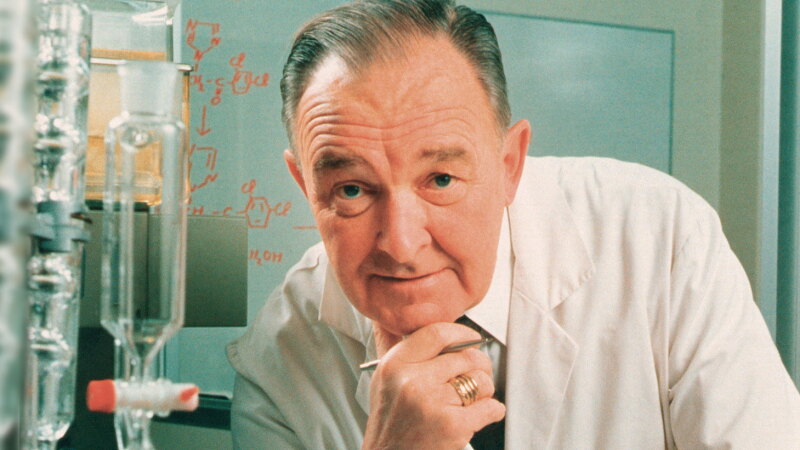
Paul Janssen was not a typical pharmaceutical executive. He was a genuine scientist — a physician-pharmacologist who spent his mornings in the laboratory with his researchers, not in boardrooms. He had already given the world haloperidol (Haldol) in 1958 — the most widely prescribed antipsychotic of the 20th century — and he knew better than anyone its limitations.
Haloperidol was powerful. It suppressed psychosis dramatically. But its side effect profile was brutal, and Janssen carried the weight of knowing that thousands of patients worldwide were suffering tardive dyskinesia because of his molecule.
He made a quiet, personal commitment: find something better.
The Team Assembles
In the early 1980s, Janssen assembled a research team with a specific mandate: design a new antipsychotic that preserved the antipsychotic efficacy of haloperidol but with dramatically improved tolerability.
Key figures in the discovery team included:
Dr. Josée Leysen — a brilliant neuropharmacologist who had been mapping serotonin receptors in the brain with painstaking precision. Her work was about to become the cornerstone of the entire project.
Dr. Jan Megens — a behavioral pharmacologist who would test compounds in animal models, translating chemistry into behavior.
Dr. Georges Awouters — a pharmacology specialist contributing to understanding receptor binding profiles.
And the team’s medicinal chemists — the unsung heroes who would synthesize hundreds of compounds, each one a hypothesis expressed in molecular form.
Act Two: The Key Insight — Serotonin Changes Everything
The Hypothesis That Launched Risperidone
The intellectual foundation of risperidone’s discovery came from a convergence of two streams of scientific thought that, separately, seemed unrelated.
Stream 1: The dopamine hypothesis of schizophrenia
Since the 1960s, psychiatry had understood that psychosis was related to excess dopamine activity — specifically at the D2 receptor. All existing antipsychotics worked by blocking D2. This was why they worked — and why they caused Parkinsonian side effects (dopamine was also essential for smooth movement).
The dilemma seemed insoluble: you couldn’t block D2 for antipsychotic effect without also disrupting the motor system.
Stream 2: Josée Leysen’s serotonin research
Meanwhile, Dr. Leysen had been quietly revolutionizing the understanding of serotonin receptor subtypes. In the early 1980s, she was among the first researchers to precisely characterize the 5-HT2A receptor — a specific serotonin receptor subtype found in abundance in the prefrontal cortex and limbic system.
Her research suggested something provocative: the 5-HT2A receptor was intimately involved in modulating dopamine release in the brain. Specifically, serotonin activity at 5-HT2A receptors appeared to suppress dopamine release in certain brain pathways.
The critical leap of imagination came when Leysen and colleagues asked: what if you could combine D2 blockade with 5-HT2A blockade?
The theory was elegant:
- D2 blockade in the mesolimbic pathway → antipsychotic effect
- 5-HT2A blockade in the nigrostriatal pathway → releases dopamine locally → reduces Parkinsonian side effects
- 5-HT2A blockade in the prefrontal cortex → improves negative symptoms and cognition
In other words: use one receptor blockade to counteract the side effects of another.
This was the conceptual breakthrough that would birth an entirely new class of antipsychotics — and risperidone would be its first true exemplar.
Act Three: The Chemistry — Building the Molecule
1984-1987: Hundreds of Failures Before One Success
Armed with Leysen’s receptor theory, the medicinal chemistry team began the painstaking process of designing molecules that would hit both the D2 and 5-HT2A receptors with the right balance of affinity.
This was molecular architecture at its most demanding. They needed a compound that:
- Blocked D2 receptors strongly enough to suppress psychosis
- Blocked 5-HT2A receptors at a ratio that would offset motor side effects
- Did not cause excessive sedation
- Was orally bioavailable (could be taken as a pill)
- Had a suitable half-life for once- or twice daily dosing
- Was chemically stable and manufacturable
The chemistry team synthesized compound after compound. Most failed — wrong receptor ratios, too much sedation, poor bioavailability, unacceptable toxicity in animal models, or simply no antipsychotic effect at all.
The process was not glamorous. It was grinding, methodical, disciplined science — the kind that makes no headlines but underpins every medical breakthrough.
The key chemical family chosen: benzisoxazole derivatives
The team focused on a class of chemicals built around a benzisoxazole core structure. This scaffold offered promising receptor-binding characteristics and the chemical flexibility to “tune” the pharmacological profile by adding and modifying molecular attachments.
Through iterative synthesis and testing, they narrowed down to a compound designated internally as R 64 766 — a name that would mean nothing to the world but everything to the team that created it.
The Compound R 64 766 — Risperidone Is Born
R 64 766 had an extraordinary receptor binding profile:
- Very high 5-HT2A affinity (Ki ~0.1 nM — extraordinarily potent)
- High D2 affinity (Ki ~4 nM)
- 5-HT2A : D2 ratio approximately 10:1 — serotonin blockade dominant
- Also blocked: Alpha-1 adrenergic and H1 histamine receptors (contributing to some side effects but also anxiolytic benefit)
- Minimal: Muscarinic (cholinergic) receptor activity — unlike older antipsychotics, reducing anticholinergic side effects
In behavioral pharmacology tests, R 64 766 showed:
- Strong antipsychotic activity (blocked apomorphine-induced stereotypy and conditioned avoidance responding)
- Dramatically lower catalepsy induction compared to haloperidol (catalepsy = animal model of EPS/Parkinsonism)
- Improved social behavior in animal models
- No significant sedation at therapeutic doses
Josée Leysen later recalled: The binding profile of this compound was unlike anything they had seen before. The serotonin-to-dopamine ratio was so favorable it seemed almost too good to be true.
Paul Janssen, reviewing the preclinical data, reportedly said little — but authorized immediate progression to clinical development.
The compound was given its official name: Risperidone.
Act Four: Into Human Beings — Clinical Trials
Phase I: First in Human, 1986-1987
The first human beings to receive risperidone were healthy volunteers in carefully controlled Phase I studies. The goals were simple: is it safe? How does it behave in the human body?
Pharmacokinetic results:
- Oral bioavailability: approximately 70%
- Time to peak plasma: 1-2 hours
- Half-life: 3 hours for risperidone itself
- But: risperidone converts to 9-hydroxyrisperidone (paliperidone) — its active metabolite with a 21-hour half-life
- Combined half-life: approximately 20 hours — suitable for once-daily dosing
- Protein binding: 90%
- Metabolism: primarily CYP2D6 (with CYP3A4 minor)
The volunteers tolerated it well. The pharmacokinetics were clean and predictable. Phase II began.
Phase II and III: The Clinical Trials — 1987-1992
The clinical trials of risperidone represented one of the most carefully watched experiments in psychiatric medicine. The stakes were enormous — Janssen was betting that a molecule could do what no drug had done before: treat psychosis effectively without ruining patients’ motor function.
The pivotal multinational Phase III trials included:
The North American Risperidone Study (1992 — published in NEJM):
- 523 patients with chronic schizophrenia
- Randomized, double-blind comparison: risperidone (2, 6, 10, 16 mg/day) vs. haloperidol 20 mg/day vs. placebo
- Primary outcome: PANSS (Positive and Negative Syndrome Scale) total score
Results that stunned the field:
Positive symptoms: Risperidone 6 mg significantly outperformed haloperidol
Negative symptoms: Risperidone produced the first-ever significant improvement in negative symptoms compared to haloperidol — a historic first
Cognitive function: Significant improvement in several cognitive domains
EPS (motor side effects): Dramatically lower than haloperidol at therapeutic doses (6 mg)
Akathisia: Significantly reduced
Tardive dyskinesia: No significant risk at recommended doses
The data were compelling, clean, and consistent across multiple trials in multiple countries.
But one number above all others became the rallying cry of the risperidone revolution: at 6 mg/day, risperidone outperformed haloperidol on PANSS total score AND produced significantly less EPS — simultaneously better AND more tolerable.
This had never been demonstrated before.
The Negative Symptoms Breakthrough
Perhaps the most emotionally significant finding was the improvement in negative symptoms.
For decades, psychiatrists had watched their patients achieve freedom from hallucinations and delusions — only to remain trapped in a grey world of apathy, social withdrawal, emotional flatness, and cognitive poverty. The positive symptoms were gone. But the person was still missing.
Haloperidol and its relatives did nothing for this — in fact, their motor side effects often worsened the appearance of negative symptoms (drug-induced emotional blunting was almost indistinguishable from genuine negative symptoms).
Risperidone’s 5-HT2A blockade appeared to unlock the prefrontal cortex. Patients in the trials began to re-emerge — showing more spontaneous speech, more emotional range, more social engagement, more motivation.
One investigator from the North American trial wrote in his site notes: “I have been treating schizophrenia for twenty years. I have never seen patients improve the way some of these patients improved on this drug.”
Act Five: FDA Approval — December 29, 1993
The Moment That Changed Everything
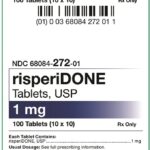
On December 29, 1993, the United States Food and Drug Administration approved risperidone for the treatment of schizophrenia in adults. It became available to American patients as Risperdal®.
It was the first new antipsychotic approved in the United States in over a decade.
The psychiatric community’s response was immediate and dramatic. Within months, prescriptions were flooding in from psychiatrists who had been waiting — some for their entire careers — for something better than haloperidol.
Global approval rapidly followed:
- European Union: 1994
- Canada: 1993
- Australia: 1994
- Japan: 1996
- Eventually approved in over 100 countries
Paul Janssen’s Reaction
Paul Janssen, by all accounts, received the news of FDA approval quietly. He was not a man given to celebration. He was already thinking about what came next.
But those who were present that day reported that he allowed himself a rare moment of visible satisfaction — not at the commercial achievement, but at what it meant for patients.
He reportedly said something to the effect of: “Now we must make sure the right patients get it at the right dose. The molecule is only the beginning.”
He was, as always, correct.
Act Six: The Ripple Effect — What Risperidone Changed
The Birth of the “Atypical Antipsychotic” Era
Risperidone’s approval did not just introduce a new drug. It validated an entirely new pharmacological concept — the serotonin-dopamine antagonist approach — and opened the floodgates for a new generation of antipsychotics:
The “second generation” or “atypical” antipsychotics that followed:
- Olanzapine (Eli Lilly, 1996) — broader receptor profile, very effective but major weight gain
- Quetiapine (AstraZeneca, 1997) — particularly useful for bipolar and anxiety
- Ziprasidone (Pfizer, 2001) — metabolically favorable
- Aripiprazole (Otsuka, 2002) — partial dopamine agonist, revolutionary concept
- Paliperidone (Janssen, 2006) — risperidone’s active metabolite, standalone drug
Risperidone itself was reformulated:
- Risperdal Consta (2003) — first long-acting injectable atypical antipsychotic, revolutionizing adherence management
- Paliperidone palmitate (Invega Sustenna, 2009) — monthly injectable
- Paliperidone palmitate 3-month (Invega Trinza, 2015) — quarterly injection
Each built on the conceptual foundation risperidone established.
Impact on Patients’ Lives
The human impact of risperidone is difficult to quantify but impossible to overstate.
Patients who had never worked now held jobs. Negative symptom improvement, combined with reduced motor side effects, meant that some patients—for the first time in their adult lives—could sustain employment.
Patients who had never had relationships now maintained them. The emotional re-engagement that came with negative symptom improvement allowed some patients to experience genuine intimacy and connection.
Families were transformed. Caregivers who had spent years managing the double burden of psychosis and medication side effects found that their family member was, in some cases, recognizable again.
Hospitalizations decreased. Improved tolerability meant improved adherence. Improved adherence meant fewer relapses. Fewer relapses meant fewer hospitalizations. Health economics researchers estimated that risperidone’s introduction saved billions in hospitalization costs.
The Pediatric and Geriatric Extensions
2006: FDA approved risperidone for schizophrenia in adolescents (13-17 years) — the first atypical antipsychotic approved for this age group.
2006-2007: FDA approved risperidone for irritability associated with autism spectrum disorder (ASD) in children — a landmark approval that opened an entirely new therapeutic domain.
2007: FDA approved risperidone for bipolar mania in adolescents.
Geriatric use (off-label but widely practiced): though the FDA issued black-box warnings about increased mortality in elderly patients with dementia-related psychosis, risperidone remained one of the most studied antipsychotics in late-life psychiatric disorders.
Act Seven: The Controversies
No Discovery Is Without Shadow
Risperidone’s story would be incomplete without acknowledging the significant controversies that followed its commercial success.
1. The Marketing Scandal (2013)
In one of the largest pharmaceutical settlements in US history, Johnson & Johnson (which had acquired Janssen) paid $2.2 billion to resolve criminal and civil allegations that Risperdal had been illegally marketed for unapproved uses — including in elderly dementia patients, children with emotional disorders, and people with intellectual disabilities — before FDA approval for these populations.
The settlement also addressed allegations that J&J had downplayed the drug’s risks, particularly the risk of gynecomastia (breast enlargement in boys) associated with prolactin elevation from D2 blockade.
2. Weight Gain and Metabolic Effects
While risperidone was dramatically better than first-generation antipsychotics for motor side effects, it was not metabolically neutral. Significant weight gain, elevated prolactin, and metabolic syndrome became recognized concerns — particularly with long-term use and in adolescent populations.
3. The Dose Controversy
Early prescribing practices sometimes used doses far higher than the evidence supported. The clinical trials showed optimal efficacy at 4-6 mg/day, but some prescribers used 12-16 mg — doses that produced haloperidol-equivalent EPS without additional benefit. This eroded some of the tolerability advantage.
4. The Comparative Effectiveness Debate
The landmark CATIE trial (2005) — the largest head-to-head comparison of atypical antipsychotics in the United States — delivered a sobering message: risperidone and the other atypicals were not dramatically superior to the older drug perphenazine in effectiveness, and each had its own distinct side effect burden.
The trial did not diminish risperidone’s achievement — it nuanced it. The drug was genuinely better for many patients, but the “revolution” had perhaps been overstated by enthusiastic marketers.
Act Eight: The Legacy
What Risperidone Left Behind
Josée Leysen, reflecting on the discovery decades later, emphasized that risperidone was the product of a scientific idea pursued with patience, rigor, and genuine curiosity. The serotonin-dopamine interaction hypothesis she had developed in her receptor binding studies became the conceptual engine of an entire generation of psychiatric pharmacology.
Paul Janssen, who died in 2003, never stopped working on new compounds. By then, his laboratory had given the world more than 80 drugs across multiple therapeutic areas. But those who knew him well said that risperidone — and the suffering it alleviated in schizophrenia patients worldwide — held a special place.
The numbers, by any measure, are extraordinary:
- Risperdal became one of the best-selling drugs in pharmaceutical history
- Peak annual sales exceeded $4.5 billion (2007)
- Prescribed to tens of millions of patients across 100+ countries
- Generated research into schizophrenia’s neurobiology that continues today
- Inspired the molecular design of a dozen successor compounds
But beyond the numbers is a simpler story:
A man with schizophrenia who, in 1992, could not hold a conversation without responding to hallucinations, could not maintain eye contact, could not experience joy, could not hold a job — received risperidone in 1994, found the right dose, and in 1996 returned to work for the first time in eight years.
His psychiatrist described it as witnessing a person return from somewhere very far away.
That is the real story of risperidone.
Epilogue: Where the Story Continues
The molecule that Paul Janssen’s team built in Beerse, Belgium, continues to evolve:
Paliperidone (9-hydroxyrisperidone) — risperidone’s active metabolite — became a drug in its own right, available now as a once-monthly or once-every-three-month injection that has transformed adherence management in schizophrenia.
Risperidone itself went off-patent in 2007, becoming widely available as a generic — dramatically reducing cost and expanding global access to a medication that once cost hundreds of dollars per month.
Research continues into the 5-HT2A/D2 interaction that risperidone pioneered—most recently and spectacularly in the development of KarXT (Cobenfy®), the first non-dopaminergic antipsychotic, approved in 2024, which builds on decades of receptor pharmacology research that risperidone helped inspire.
The molecule discovered by a team of Belgian scientists in the 1980s is not finished with its story. It is still being prescribed, still being studied, still being improved upon, still changing lives.
In the end, that is what a great discovery does. It does not close a chapter. It opens one.
“The most important discovery is not the drug itself, but the principle behind it. Once you understand the principle, the universe of possibilities opens.” — Paul Janssen
Yes — here is the story.
The Story of Risperidone: From an LSD Model to the Atypical Revolution
The Setting: Beerse, Belgium, Early 1980s
Nearly three decades after Paul Janssen had synthesized haloperidol, his research group at Janssen Pharmaceutica remained one of the few places in the world where psychiatric drug discovery was treated as pure experimental science.
By the early 1980s, the limits of typical antipsychotics were painfully clear: haloperidol and chlorpromazine controlled hallucinations and delusions, but at the cost of crippling extrapyramidal symptoms, tardive dyskinesia, and emotional flatness. Patients often traded psychosis for a chemical straitjacket.
The Janssen team, led by pharmacologist François Colpaert and guided by Paul Janssen’s insistence on unconventional thinking, decided to approach schizophrenia from a completely different angle. The Unusual Hypothesis: The LSD Model
Most pharmaceutical laboratories of that era screened compounds for their ability to block amphetamine psychosis or induce catalepsy in rats. The Janssen group instead turned to lysergic acid diethylamide (LSD).
Their reasoning was elegant: if LSD produced a state in healthy humans that phenomenologically resembled the perceptual distortions of schizophrenia, then perhaps blocking the interoceptive effects of LSD in animals could identify an antipsychotic that worked on the perceptual and cognitive dimensions of psychosis, not just the motoric ones.
This became known as the “LSD model of psychopathology.” It was considered heretical at the time because the rest of the field was chasing dopamine blockade. Janssen’s team was instead asking: Can we find a molecule that antagonizes the perceptual effects of LSD without simply sedating the animal? The Synthesis of R64766 (Risperidone)
In 1984, Janssen chemists synthesized a new benzisoxazole derivative, codenamed R64766. The compound was structurally distinct from the butyrophenones (like haloperidol) and the phenothiazines. It was a combined antagonist: highly potent at serotonin 5-HT₂A receptors and at dopamine D₂ receptors, but with a markedly higher affinity for the serotonin receptor.
In animal models, R64766 blocked the discriminative stimulus effects of LSD — meaning rats trained to recognize an LSD cue could no longer detect it after receiving R64766. Critically, this blockade occurred without producing the heavy catalepsy and sedation typical of haloperidol. Pharmacological Meaning
This serotonergic-dopaminergic profile was the birth of what would later be called the “atypical” antipsychotic. The high 5-HT₂A/D₂ ratio was the secret: by blocking serotonin receptors in the prefrontal cortex while gently modulating dopamine in the mesolimbic pathway, the drug seemed to separate antipsychotic efficacy from motor side effects.
Janssen’s team also introduced the concept of “response quality” in receptor theory — the idea that not all receptor antagonisms are pharmacologically equal. Blocking dopamine was not enough; the quality of the behavioral output mattered. Clinical Trials and Launch
Risperidone entered clinical trials in the late 1980s. Trials in Belgium and across Europe demonstrated that it reduced positive symptoms of schizophrenia with a significantly lower burden of extrapyramidal side effects than haloperidol. It did not cause the same degree of akathisia or dystonia, though it was not free of side effects — weight gain, hyperprolactinemia, and later concerns about metabolic syndrome would emerge.
- First launched in Europe: 1993
- FDA approval in the United States: 1993
- Brand name: Risperdal®
The Reciprocal Impact on Psychiatry
Risperidone did not merely treat schizophrenia; it reshaped the scientific understanding of the disorder. It forced the field to move beyond the simple dopamine hypothesis and accept that serotonin, glutamate, and the interactions between multiple neurotransmitter systems were critical to psychosis.
By the late 1990s, risperidone had become the benchmark against which every new antipsychotic was measured. It enabled the deinstitutionalization movement to continue where haloperidol had stalled — because patients could now remain stable without the telltale Parkinsonian shuffle and facial rigidity that had stigmatized the earlier generation.
It also opened commercial and scientific floodgates: olanzapine, quetiapine, ziprasidone, and aripiprazole all followed, each trying to optimize the 5-HT₂A/D₂ balance that Janssen’s team had first identified in that small Belgian laboratory. In one sentence: Risperidone was discovered in 1984 at Janssen Pharmaceutica by a team that used an LSD-antagonism model to screen for drugs that could treat psychosis without producing the motor rigidity of older antipsychotics — becoming the first blockbuster atypical antipsychotic and the template for modern schizophrenia pharmacology.