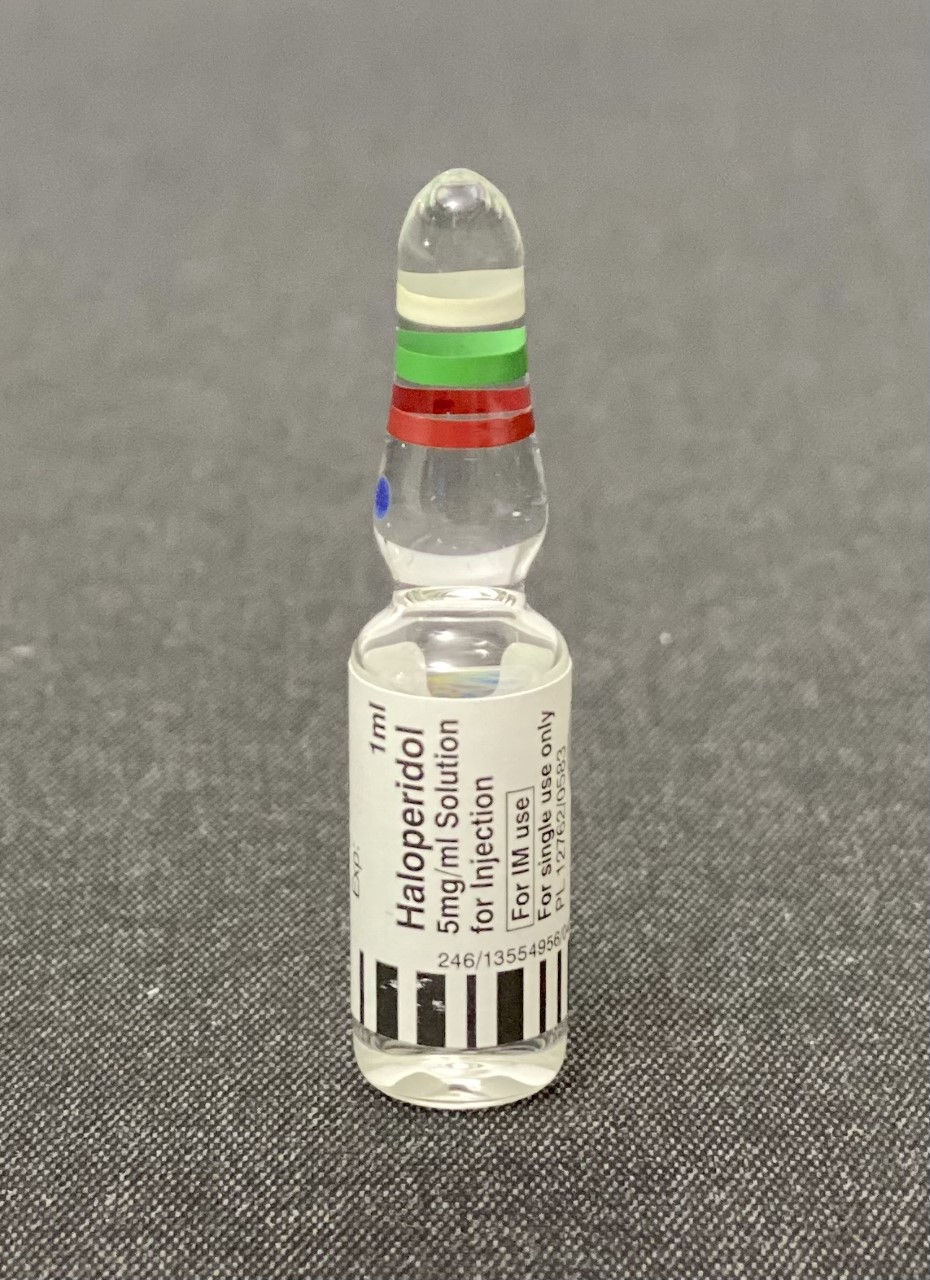
Haloperidol: The story behind
In the spring of 1956, a 32‑year‑old Belgian physician named Paul Janssen was tinkering with a line of chemistry that was never supposed to touch psychiatry. He was trying to build a better painkiller.
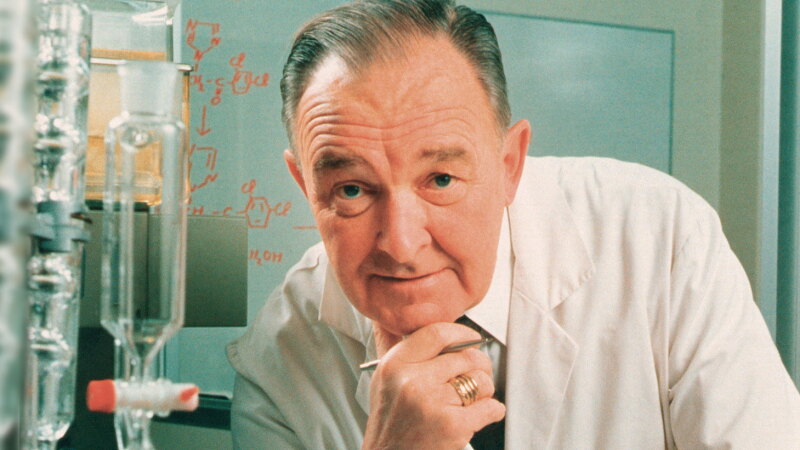
His small family firm, Janssen Pharmaceutica, sat in Beerse, Belgium—far from the glittering research centers of Basel or New Jersey. At the time, psychiatry was still an asylum discipline.
Severe schizophrenia was met with insulin comas, barbiturate packs, or lobotomy. The first antipsychotic, chlorpromazine, had just begun to thaw the ice, but its sedating “chemical straitjacket” was muddy and blunt.
Janssen wasn’t looking for an antipsychotic. He was exploring analogs of meperidine (pethidine), the opioid, when one of his chemists synthesized a compound that made laboratory rats bizarrely indifferent.
When placed on a hot plate, rats that should have flicked their tails showed nothing. They weren’t sedated in the usual narcotic sense—their coordination was strangely intact, but their emotional reactivity had vanished.
Janssen called this state “neuroleptic” (literally, “taking hold of the nerve”). The compound was R 1625, later named haloperidol.
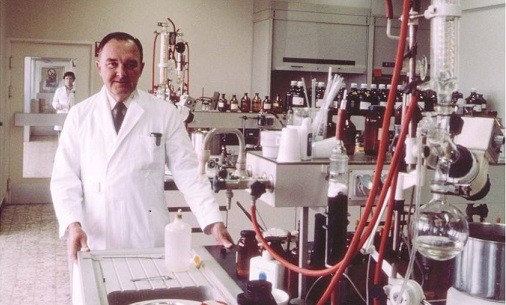
The critical pivot, as Janssen himself told it, came from watching catalepsy in those animals. Unlike chlorpromazine, which produced a sloppy, sleep-like state, haloperidol induced a peculiar frozen wakefulness—limbs could be placed in awkward positions and stayed there, as if the brain’s dopamine circuits had been precision‑locked. Janssen, trained in both medicine and pharmacology, sensed that this was not analgesia.
“This was something that targeted the machinery of psychosis itself.”
He drove to nearby psychiatric hospitals and persuaded skeptical clinicians to try the drug.
The response was almost immediate. In 1957–58, Belgian psychiatrists, including Pierre Deniker (who had helped pioneer chlorpromazine), administered the compound to acutely agitated, hallucinating patients. The results were striking: hallucinations dimmed, delusional pressure eased, and—crucially—patients remained alert rather than zombie‑like.
The effect was potent at tiny doses compared with chlorpromazine. By 1958, Belgium launched haloperidol.
What made the story scientifically beautiful was Janssen’s meticulous insistence on structure‑activity relationships. He and his team synthesized hundreds of butyrophenone derivatives, tweaking the side chain and the piperidine ring, mapping exactly which molecular knob turned the “neuroleptic” effect up or down.
That rigor turned serendipity into engineering. Haloperidol became the template for an entire chemical family and, indirectly, the key that unlocked the dopamine hypothesis of schizophrenia: if blocking dopamine D2 receptors stopped psychosis, then excess dopamine transmission might be the disorder’s engine.
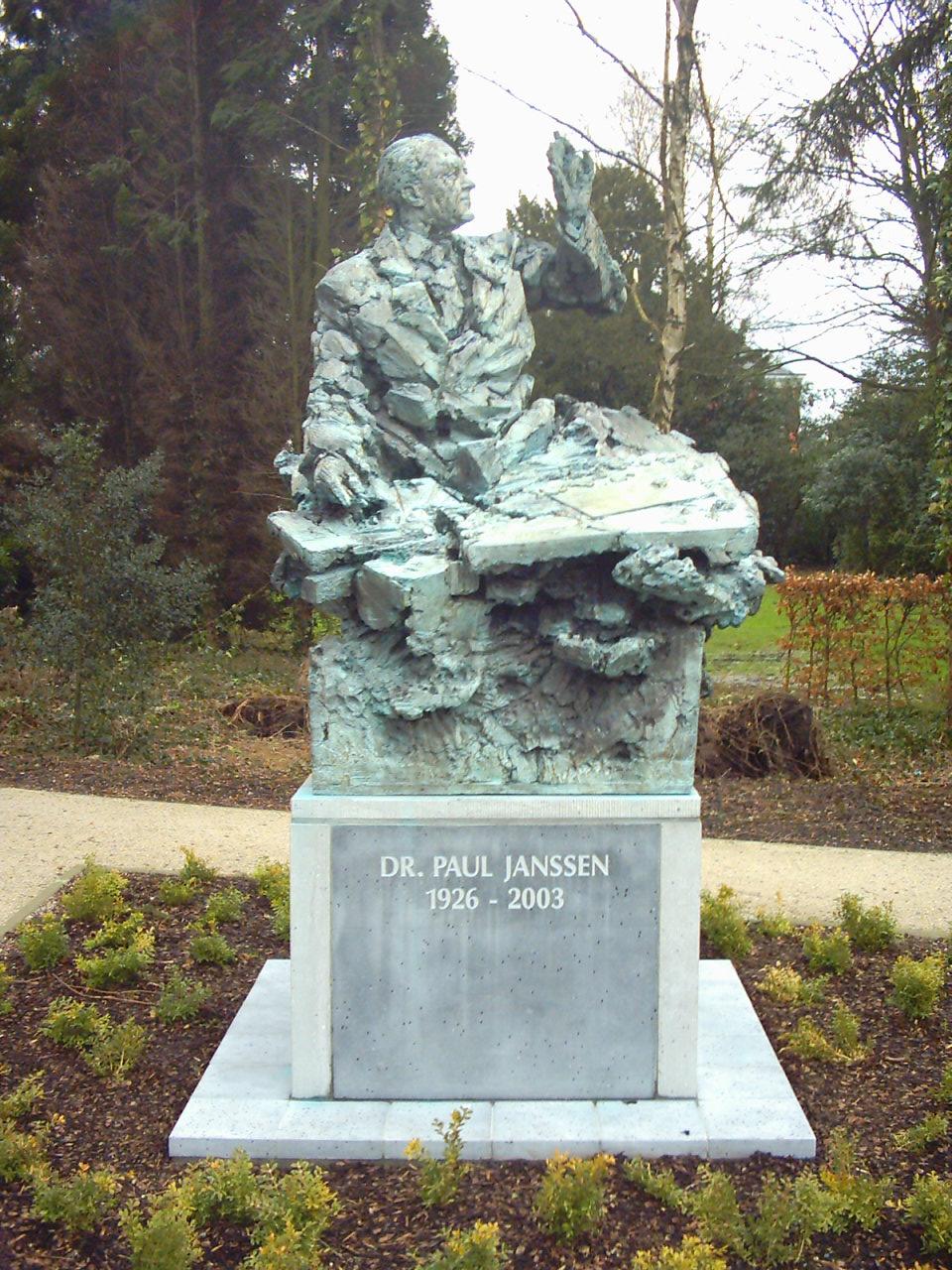
The consequences unfolded over decades. Where chlorpromazine had softened asylum walls, haloperidol helped tear them down. Its predictability, lack of sedation at antipsychotic doses, and depot formulation made it the workhorse of deinstitutionalization worldwide.
But Janssen’s story also carried a warning that psychiatry is still learning: the same precision that quieted hallucinations produced acute dystonia, akathisia, and tardive dyskinesia—the price paid for that dopaminergic lock.
Paul Janssen died in 2003, but his creation remains one of the most consequential single molecules in medicine.
It transformed asylum psychiatry into neuropharmacology, taught the field that psychosis could be targeted at the molecular level, and proved that a young doctor in a modest Belgian lab could rewrite the mind with nothing more than a patient’s need, a rat’s tail, and a chemist’s patience.