

Scattered Minds
Scattered Minds: The Origins and Healing of Attention Deficit Disorder, by renowned physician Dr. Gabor Mate .
Core Thesis: A Shift in Perspective
In Scattered Minds, Dr. Gabor Maté—who has been diagnosed with ADHD himself—challenges the traditional medical model. He argues that Attention Deficit Disorder (ADD/ADHD) is not a purely genetic, hardwired disease, but rather a reversible developmental delay and a physiological impairment in emotional self-regulation.
While acknowledging a genetic predisposition, Maté emphasizes that whether those genes are activated depends heavily on early environmental factors, childhood experiences, and family dynamics.
Keys:
1. The Three Defining Traits of ADD
Dr. Maté outlines three primary symptoms of the condition:
- Poor Attention Regulation (“Tuning Out”): A defense mechanism where the brain dissociates or wanders to protect itself from overwhelming stress or lack of stimulation.
- Impulsiveness: A struggle with self-restraint and impulse control, leading to rash decisions.
- Hyperactivity: A physical or mental restlessness (though not present in all individuals with ADD, particularly quiet or daydreaming presentations).
2. Neurobiology and Environment (Nature vs. Nurture)
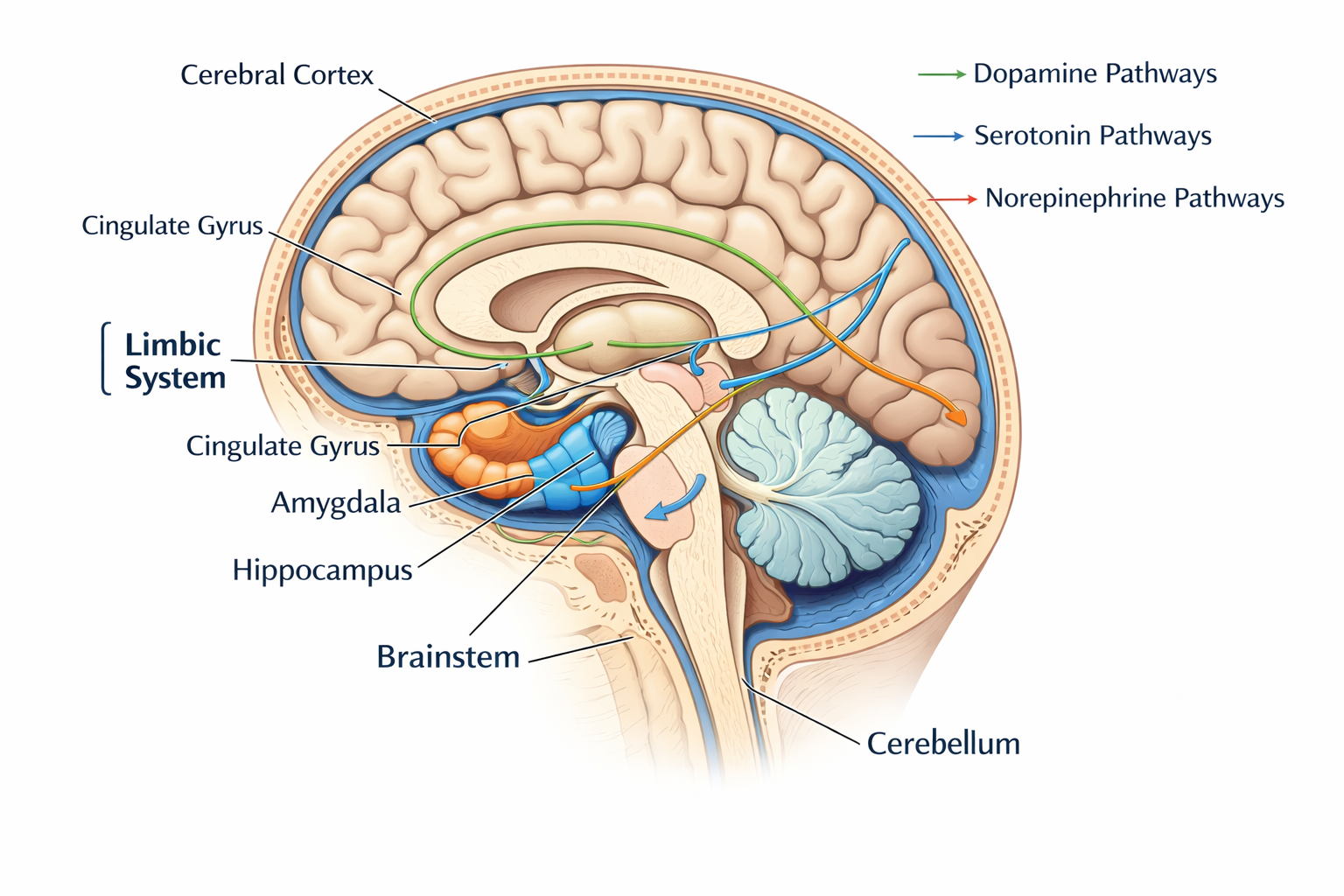
- Infant Brain Development: Unlike most animals, human infants do the majority of their brain development after birth. The neural pathways responsible for focus and emotional regulation (largely driven by dopamine) develop through early interactions with primary caregivers.
- The Stress Response: If a parent is stressed, anxious, or emotionally unavailable (even due to external pressures such as financial distress or societal stress), the infant’s highly sensitive nervous system senses it. To cope, the baby’s brain “tunes out,” disrupting the healthy development of attention-regulation pathways.
3. Healing and Neuroplasticity
Perhaps the most encouraging aspect of the book is Maté’s focus on healing rather than just symptom management through medication:
- Adult Neuroplasticity: The adult brain can form new neural pathways. Healing comes through self-awareness, emotional processing, and creating a safe, low-stress environment.
- Parental Role: For children with ADD, Maté advises parents to focus on restoring a secure emotional attachment rather than resorting strictly to behavioral punishment or over-reliance on stimulants.
In Scattered Minds, Gabor Maté reframes ADHD not as a genetically predetermined brain defect, but as a developmental impairment of self-regulation rooted in early psychosocial stress and emotional environment.
However, his goal/solution is not a medication-centric fix. To ensure precision, let me pull the exact proposed approach. In Scattered Minds, Dr. Gabor Maté’s central goal is developmental reintegration — not merely symptom suppression, but healing the early emotional and environmental roots that fragment attention.
He argues ADHD stems largely from early stress and attachment disruption shaping neurobiology, rather than pure genetics. Accordingly, his solution rests on three pillars:
- Self-awareness & emotional repair — Understanding one’s childhood context, grieving relational wounds, and integrating split-off emotions.
- Environment recalibration — Reducing chronic stress, improving attachment security, and optimizing sleep, nutrition, and daily structure.
- Judicious medical support — He does not reject medication, but frames it as a temporary scaffold; lasting change requires psychological and relational work alongside any pharmacotherapy.
In short, Maté reframes the “solution” as transforming the conditions that created the scattered mind, rather than only correcting its neurochemical output.