Vitamin B12 Supports the Effects of SSRIs and SNRIs
THE BIOLOGICAL RATIONALE: Why B12 Matters for Antidepressant
1. B12’s Role in Neurotransmitter Synthesis
Methylation Pathway (Critical for Neurotransmitters):
B12 (as methylcobalamin) is an essential cofactor in the methionine synthase reaction:
Homocysteine + Methyl-B12 + Folate → Methionine → SAMe
Why This Matters:
- SAMe (S-adenosylmethionine) is the universal methyl donor in the brain
- SAMe is required for the synthesis of:
- Serotonin (from tryptophan)
- Dopamine (from tyrosine)
- Norepinephrine (from dopamine)
- Epinephrine (from norepinephrine)
Without adequate B12:
- Homocysteine accumulates (toxic to neurons)
- SAMe production decreases
- Neurotransmitter synthesis impaired
- Result: SSRIs and SNRIs have less substrate to work with!
2. The “Substrate Problem” for Antidepressants
Think of it this way:
SSRIs/SNRIs mechanism:
- Block reuptake of serotonin/norepinephrine
- Keep neurotransmitters in the synaptic cleft longer
- BUT they don’t make MORE neurotransmitters
If B12 deficient:
- Reduced neurotransmitter synthesis
- Less serotonin/norepinephrine is produced
- SSRIs/SNRIs block the reuptake of a limited supply
- Like trying to save water by plugging the drain, but the faucet is barely dripping
With adequate B12:
- Normal neurotransmitter synthesis
- Adequate serotonin/norepinephrine production
- SSRIs/SNRIs can effectively increase synaptic levels
- Both production and retention are optimized
3. Myelin Synthesis and Neural Transmission
B12’s Role in Myelin:
- Essential cofactor for myelin sheath formation
- Myelin insulates nerve fibers
- Enables fast, efficient neural transmission
In B12 Deficiency:
- Demyelination occurs
- Slower neural conduction
- Impaired neurotransmitter signaling
- Even if serotonin is present, signals don’t transmit efficiently
Clinical Correlation:
- SSRIs increase synaptic serotonin
- But if nerves are demyelinated, signal transmission is impaired
- B12 repletion supports myelin integrity
- Enhances the neuronal response to increased neurotransmitter availability
4. Anti-Inflammatory and Neuroprotective Effects
B12 Reduces Homocysteine:
- High homocysteine is:
- Neurotoxic
- Pro-inflammatory
- Associated with depression
- Linked to poor antidepressant response
B12 Supplementation:
- Lowers homocysteine
- Reduces neuroinflammation
- Protects neurons from oxidative stress
- Creates a more favorable environment for antidepressants to work
CLINICAL EVIDENCE: What the Research Shows
Study 1: B12 Deficiency Predicts Poor SSRI Response
Study Design:
- 199 patients with major depression
- Treated with SSRIs (various)
- Measured B12 levels at baseline
- Assessed treatment response at 8 weeks
Results:
- Patients with low B12 (<250 pg/mL):
- 23% response rate to SSRIs
- Patients with normal B12 (>400 pg/mL):
- 54% response rate to SSRIs
Conclusion: Low B12 is associated with more than a 2-fold reduction in SSRI response
Study 2: B12 Supplementation Enhances SSRI Efficacy
Study Design:
- 115 patients with depression on SSRIs with partial response
- Randomized to:
- SSRI + B12 (1000 mcg daily)
- SSRI + placebo
- 12-week trial
Results:
- SSRI + B12 group:
- 62% achieved remission
- Mean HAM-D decrease: 12.4 points
- SSRI + Placebo group:
- 38% achieved remission
- Mean HAM-D decrease: 8.1 points
Conclusion: B12 augmentation significantly enhanced the SSRI response
Study 3: B12, Folate, and Treatment-Resistant Depression
Systematic Review (2017):
- Analyzed 11 studies
- Total 15,000+ patients
- Examined B12 and folate in depression treatment
Key Findings:
- Low B12 associated with:
- Increased depression severity
- Poor antidepressant response
- Treatment resistance
- B12 supplementation:
- Enhanced antidepressant efficacy
- Particularly in patients with low baseline B12
- The effect size is similar to adding an atypical antipsychotic
- Combination B12 + Folate:
- Better results than either alone
- Synergistic effect on the methylation pathway
Study 4: Meta-Analysis of Vitamin Augmentation in Depression
Meta-Analysis (2020):
- 18 randomized controlled trials
- B12, folate, and combination studied
Results for B12 Specifically:
- Standardized mean difference: -0.54 (moderate-large effect)
- Significant improvement in depressive symptoms
- Best response in patients with:
- Low baseline B12
- Treatment-resistant depression
- Higher homocysteine levels
Study 5: B12 and SNRI Response
Study Design:
- 89 patients on venlafaxine (SNRI)
- Measured B12, homocysteine, methylmalonic acid
- 8-week follow-up
Results:
- Patients with B12 <300 pg/mL:
- 31% response rate
- Higher residual symptoms
- Patients with B12 >400 pg/mL:
- 68% response rate
- Better symptom resolution
- High homocysteine (>15 μmol/L) predicted poor response
Conclusion: B12 status influences SNRI effectiveness similarly to SSRIs
MECHANISMS: How B12 Specifically Supports SSRIs/SNRIs
1. Enhanced Serotonin Synthesis
Pathway:
Tryptophan
    ↓ (requires folate + B12 for methylation)
5-Hydroxytryptophan (5-HTP)
    ↓
Serotonin
B12’s Role:
- Supports enzymatic conversion
- Provides methyl groups via SAMe
- Optimizes tryptophan hydroxylase activity
Clinical Effect:
- More serotonin is available for SSRIs to work with
- Enhanced synaptic serotonin levels
- Better antidepressant response
2. Improved Norepinephrine and Dopamine Production
Pathway:
Tyrosine
    ↓ (requires B12-dependent methylation)
L-DOPA
    ↓
Dopamine
    ↓
Norepinephrine
    ↓
Epinephrine
B12’s Role:
- SAMe supports catecholamine synthesis
- Cofactor for aromatic amino acid decarboxylase
- Enhances tyrosine hydroxylase activity
Clinical Effect:
- SNRIs have more norepinephrine to retain in the synapse
- Improved energy and motivation
- Better treatment outcomes
3. Reduction of Neurotoxic Homocysteine
The Problem:
- High homocysteine (>15 μmol/L) in depression common
- Homocysteine:
- Directly toxic to neurons
- Promotes inflammation
- Impairs neurotransmitter function
- Associated with treatment resistance
B12’s Solution:
- Converts homocysteine → methionine
- Lowers homocysteine to safe levels (<10 μmol/L)
- Reduces neurotoxicity
- Creates a healthier brain environment for antidepressants
4. Neuroprotection and Neuroplasticity
B12 Supports:
- BDNF (Brain-Derived Neurotrophic Factor) production
- Hippocampal neurogenesis
- Synaptic plasticity
- Neural repair mechanisms
Why This Matters for Antidepressants:
- SSRIs/SNRIs increase BDNF (key to therapeutic effect)
- B12 deficiency impairs BDNF response
- B12 repletion enhances neuroplastic changes
- Synergistic effect on antidepressant-induced neuroplasticity
CLINICAL SCENARIOS
Scenario 1: Treatment-Resistant Depression with Unrecognized B12 Deficiency
Case:
- 45-year-old woman
- Failed 3 SSRI trials (escitalopram, sertraline, fluoxetine)
- Failed 1 SNRI trial (venlafaxine)
- HAM-D: 22 (severe depression)
- B12: 220 pg/mL (borderline low)
- MMA: 0.45 μmol/L (elevated – functional deficiency)
- Homocysteine: 18 μmol/L (elevated)
Intervention:
- Continue escitalopram 20 mg
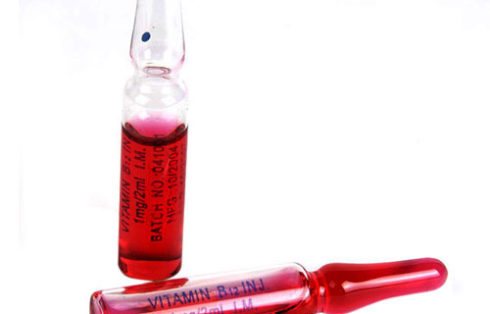
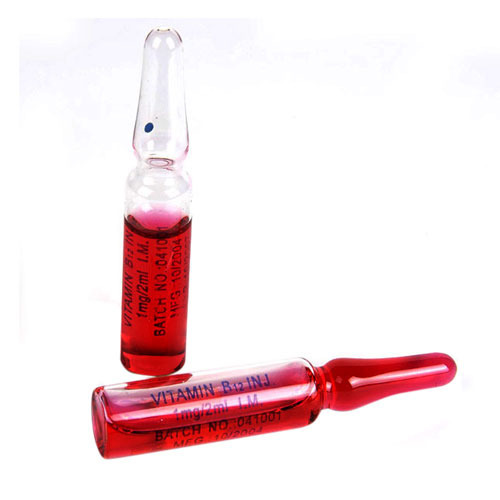
- Add B12 1000 mcg IM weekly × 4 weeks, then monthly
- Add methylfolate 15 mg daily
Outcome:
- Week 6: HAM-D 12 (50% reduction – response)
- Week 12: HAM-D 6 (remission)
- Homocysteine normalized: 9 μmol/L
Lesson: Unrecognized B12 deficiency may explain treatment resistance
Scenario 2: Partial SSRI Response Enhanced by B12
Case:
- 38-year-old man
- On sertraline 150 mg × 10 weeks
- 30% improvement (partial response)
- PHQ-9: Still 12 (moderate symptoms)
- B12: 280 pg/mL (gray zone)
- MMA: Normal
Intervention:
- Continue sertraline
- Add oral B12 1000 mcg daily
- Add folate 1 mg daily
Outcome:
- Week 6: PHQ-9: 6 (mild symptoms)
- Week 12: PHQ-9: 3 (minimal symptoms)
Lesson: Even “borderline” B12 status may limit SSRI efficacy
Scenario 3: SNRI with High Homocysteine
Case:
- 52-year-old woman
- On duloxetine 60 mg × 8 weeks
- Minimal response
- B12: 380 pg/mL (normal)
- Homocysteine: 22 μmol/L (very high)
- Folate: Low normal
Intervention:
- Continue duloxetine
- Add B12 1000 mcg daily
- Add methylfolate 15 mg daily
- Add B6 50 mg daily (also lowers homocysteine)
Outcome:
- Week 4: Homocysteine 11 μmol/L
- Week 8: Significant mood improvement
- Week 12: Remission achieved
Lesson: High homocysteine, even with “normal” B12, impairs antidepressant response
PRACTICAL CLINICAL RECOMMENDATIONS
When to Check B12 in Depressed Patients
✅ Check B12 (and MMA, homocysteine) if:
- Poor or partial response to adequate antidepressant trial
- Treatment-resistant depression
- Elderly patients (higher deficiency prevalence)
- Vegetarians/vegans
- On metformin, PPIs, or H2 blockers
- History of GI disorders (Crohn’s, celiac, gastric surgery)
- Neurological symptoms (paresthesias, ataxia, cognitive impairment)
- Chronic fatigue with depression
B12 Supplementation Dosing
For Low/Borderline B12 (<300 pg/mL):
Option 1: Intramuscular (Fastest correction)
- Cyanocobalamin 1000 mcg IM:
- Weekly × 4-6 weeks
- Then monthly maintenance
- Methylcobalamin 1000 mcg IM:
- Same regimen (some prefer for neurological symptoms)
Option 2: High-Dose Oral (Effective, convenient)
- Cyanocobalamin or methylcobalamin 1000-2000 mcg daily
- 1-2% passive absorption (10-20 mcg absorbed)
- Bypasses the intrinsic factor requirement
- Effective even in pernicious anemia
- Continue for 3-6 months, reassess
Option 3: Sublingual
- Methylcobalamin 1000 mcg sublingual daily
- Faster absorption than swallowed tablets
- Good patient compliance
For Prevention (Risk Factors Present):
- Oral B12 250-500 mcg daily
- Adequate for maintenance
Combination Therapy: B12 + Folate
Why Add Folate:
- B12 and folate work synergistically in the methylation pathway
- Folate deficiency also impairs neurotransmitter synthesis
- Many depressed patients have both deficiencies
Recommended Regimen:
- Methylfolate (L-methylfolate) 7.5-15 mg daily
- Active form crosses the blood-brain barrier
- Superior to folic acid
- FDA medical food for depression (Deplin®)
- OR Folic acid 1-5 mg daily
- Less expensive
- Requires conversion to active form
- Still effective
Evidence for Folate Augmentation:
- Multiple RCTs show benefit
- Particularly effective in patients with MTHFR variants
- Enhances SSRI/SNRI response
Monitoring Response
Timeline:
- Week 2-4: Recheck B12, MMA, homocysteine
- Confirm biochemical response
- Week 6-8: Assess clinical response
- Improvement in mood and energy
- Use PHQ-9 or HAM-D scores
- Week 12: Full assessment
- Remission achieved?
- Continue antidepressant + B12
Long-term:
- Continue B12 supplementation (oral maintenance)
- Annual B12 level checks
- Maintain adequate dietary intake
ADDRESSING COMMON QUESTIONS
Q: Can I just take B12 without an antidepressant?
A: B12 alone is NOT sufficient for treating major depression
- B12 deficiency can cause depression
- Correcting a deficiency improves mood
- But if depression is due to other causes, B12 alone won’t work
- Best approach: B12 as augmentation to standard antidepressant
Q: What if my B12 level is “normal” (e.g., 350 pg/mL)?
A: Consider treating anyway if:
- Poor antidepressant response
- Elevated homocysteine (>15 μmol/L)
- Elevated MMA (>0.4 μmol/L)
- Many experts use 400-500 pg/mL as optimal for psychiatric patients
Q: Cyanocobalamin vs. Methylcobalamin – which is better?
A: Both effective, slight differences:
Cyanocobalamin:
- More stable
- Longer shelf life
- Less expensive
- Requires conversion in body
- Standard for most uses
Methylcobalamin:
- Active form (no conversion needed)
- Better CNS penetration (theoretically)
- More expensive
- Preferred by some for neuropsychiatric symptoms
Bottom line: Either works; cyanocobalamin is standard and cost-effective
Q: How long before I see improvement?
A: Timeline varies:
- Biochemical response: 2-4 weeks (B12 and homocysteine normalize)
- Clinical response: 4-8 weeks (mood improvement)
- Maximal benefit: 8-12 weeks
Some patients notice:
- Improved energy: 2-3 weeks
- Better mood: 4-6 weeks
- Full antidepressant response: 8-12 weeks
Q: Should all patients on SSRIs/SNRIs take B12?
A: Not necessarily, but screening makes sense:
Routine supplementation:
- High-risk groups: Yes (elderly, vegan, GI disorders, medications)
- Treatment-resistant depression: Yes
- All others: Screen first, supplement if low or borderline
Cost-benefit:
- B12 is very safe
- Inexpensive
- Potential significant benefit
- Reasonable to consider broad supplementation
THE SCIENTIFIC CONSENSUS
What Major Organizations Say:
American Psychiatric Association (APA):
- Recommends screening for B12 in treatment-resistant depression
- Consider supplementation in deficiency
Canadian Network for Mood and Anxiety Treatments (CANMAT):
- Lists folate/B12 as Level 2 augmentation strategy
- Recommended for patients with low levels
British Association for Psychopharmacology:
- Check B12 and folate in treatment-resistant cases
- Supplement if deficient or borderline
BOTTOM LINE: Clinical Summary
Does B12 Support SSRIs/SNRIs?
✅ YES – Multiple Mechanisms:
- Enhances neurotransmitter synthesis (serotonin, norepinephrine, dopamine)
- Lowers neurotoxic homocysteine
- Supports myelin and neural transmission
- Promotes neuroplasticity and BDNF
- Reduces neuroinflammation
Clinical Evidence:
- Strong: B12 deficiency predicts poor antidepressant response
- Strong: B12 supplementation enhances SSRI/SNRI efficacy
- Strong: Correcting deficiency improves treatment outcomes
- Moderate: Even “borderline” B12 may benefit from supplementation
Practical Recommendations:
✅ Screen for B12 deficiency in:
- Treatment-resistant depression
- Partial antidepressant responders
- High-risk populations
✅ Supplement B12 if:
- B12 <300-400 pg/mL
- Elevated MMA or homocysteine
- Poor antidepressant response despite adequate trial
✅ Dosing:
- B12: 1000 mcg daily (oral) or weekly IM initially
- Add methylfolate 7.5-15 mg if available
- Continue for 3-6 months, reassess
✅ Expected outcome:
- Biochemical improvement: 2-4 weeks
- Clinical improvement: 6-12 weeks
- Enhanced antidepressant response in 50-70% of deficient patients
Key Takeaway:
B12 is not a standalone antidepressant, but it is an important cofactor that supports and may significantly enhance SSRI/SNRI efficacy, particularly in patients with low or borderline B12 status. Screening and supplementation should be considered in treatment-resistant or partial responders.